
More than a New Home
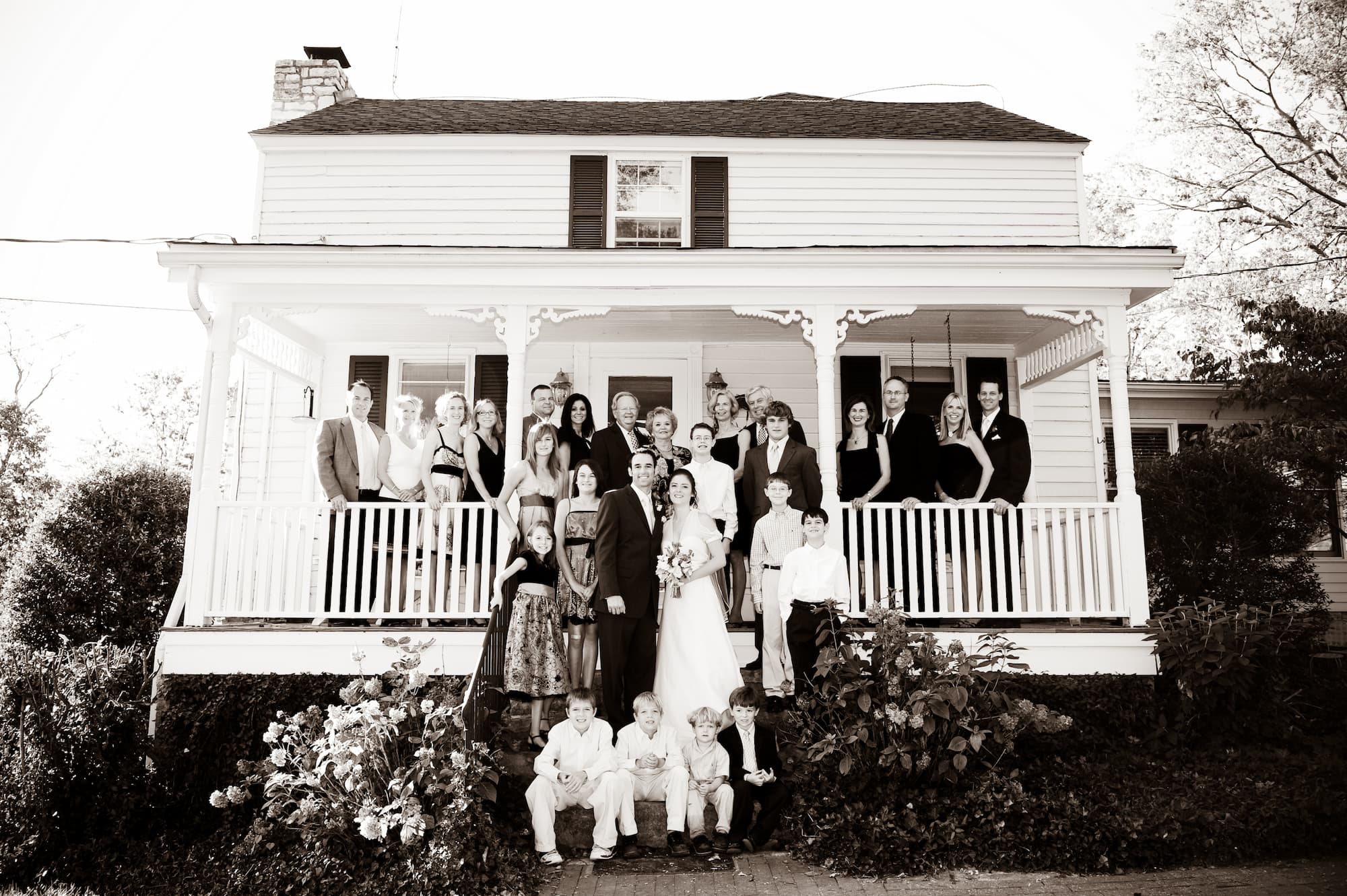
The story of Clore Station is deeply rooted in generations of family stewardship and a profound connection to the land in Oldham County. For over two centuries, our family has cultivated this remarkable property, nurturing a vision that extends beyond traditional development. Driven by a desire to foster a simpler, more connected way of life, we partnered with world-renowned New Urbanist planners DPZ CoDesign. Together, we are meticulously crafting a pedestrian-friendly neighborhood where diverse homes, vibrant shops, and inviting green spaces are thoughtfully integrated into the natural beauty of the landscape. This enduring legacy is now taking shape, inspiring a small-town feel grounded in historical charm and designed for a truly connected community.
Our Story
1808: The Founding Purchase
In 1808, Elijah Clore, Sr., a pioneer from Virginia, purchased 228 acres in what would become Oldham County. This significant acquisition, just 16 years after Kentucky achieved statehood, marked the beginning of the Clore family’s continuous stewardship of this remarkable land. His father and two brothers also established their presence in the Brownsboro area around this time, solidifying the family’s roots in the region.
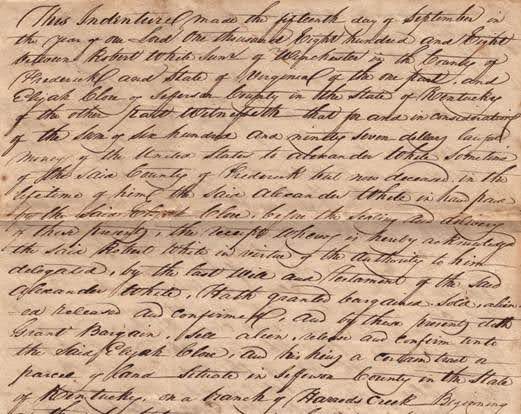
1808 land deed to Elijah Clore
1844: Creating a Homestead
Later in life, Elijah Clore, Sr. began selling pieces of his accumulated properties to relatives and family friends. His son, Zachariah Clore, purchased 181 1/2 acres from his father “on the waters of South Harrods Creek.” Zachariah and his family created the historic homestead that still stands in Crestwood. It included a smokehouse, springhouse, and distillery. This homestead became the heart of the Clore family for five generations.
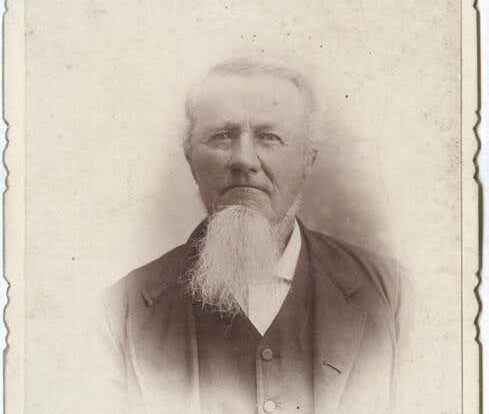
Zachariah Clore, circa 1850
1847: Clore Station
Roughly a mile from Beard (Crestwood’s original name) stood Clore Station, one of the few pioneer stations on the Louisville and Frankfort Railroad line. In 1847, Richard Clore built his home to serve as the merchandising and railway agency at this stop. Annually on Christmas Day, the railroad trains paused long enough for each trainman to enjoy a treat of eggnog prepared by Richard Clore from the purest 10-year-old liquor from his own cellars, each bottle crafted by the celebrated distiller, Zachariah Clore, his first cousin and the Clore family’s direct ancestor. Z. Clore Distillers sold to customers as far away as Lexington.
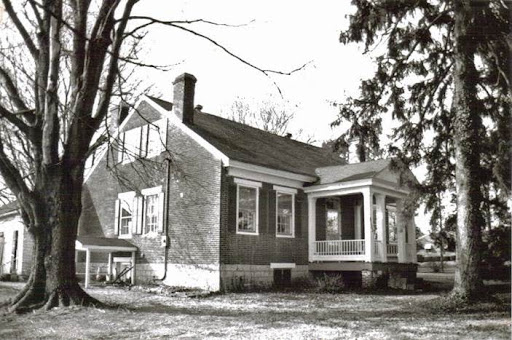
Clore Station
1879: Historical Map
One of the first detailed maps of Oldham County, the Beers and Lanagan Atlas of 1879 shows the home of R. Clore (Richard), the proprietor of Clore Station. Nearby is his cousin Z. Clore (Zachariah), the direct family ancestor of the Clore family. The map shows the Z. Clore home as well as the distillery on what is now the location of Clore Station.
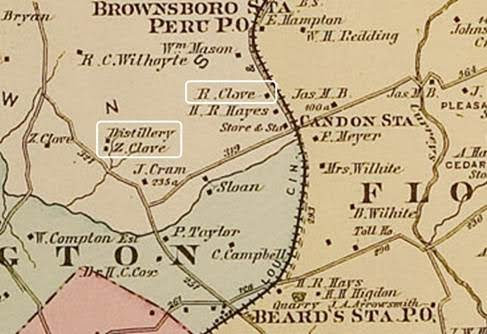
Crop of Beers and Lanagan Atlas showing R. Clore and Z. Clore ‘Distillery’
1891: Statesmanship
Judge Zachary Anderson Clore moved his family to the home in which he was born and built by his father, Zachariah, a local farmer. Affectionately known as “Judge Clore,” his desire to serve his community led him to a 1910 term as Oldham and Trimble County Representative to the Kentucky State Legislature and a 1921 four-year term as Oldham County Judge. While in the legislature, he was instrumental in ridding the county of the toll gate system.
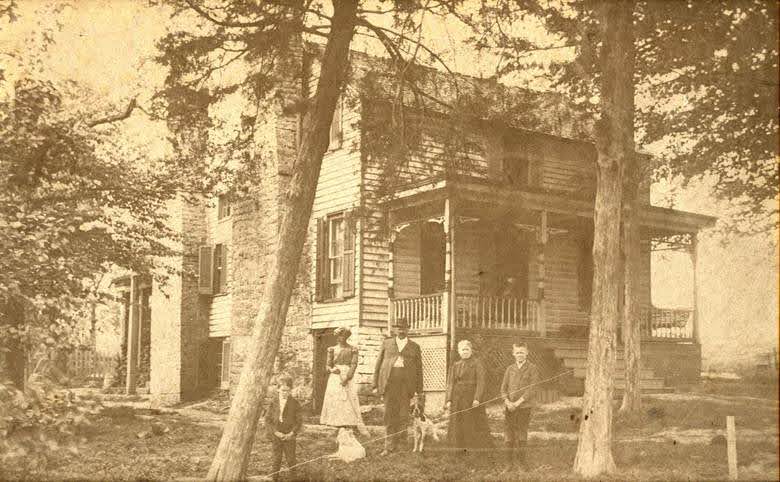
Judge Zachary Clore and family outside Clore home, circa 1900
1925: Continued Stewardship
As a generational farmer, Carl Perrin Clore, Sr. continued the stewardship of the land he inherited, growing corn, orchard grass, hay and tobacco, and raising cattle and hogs. While managing the farm, he was also a salesman and buyer for the Ross Seed Company in Louisville. Following in his father’s footsteps, he had aspirations to serve his community, leading him to take on three four-year terms with the Oldham County Board of Education.
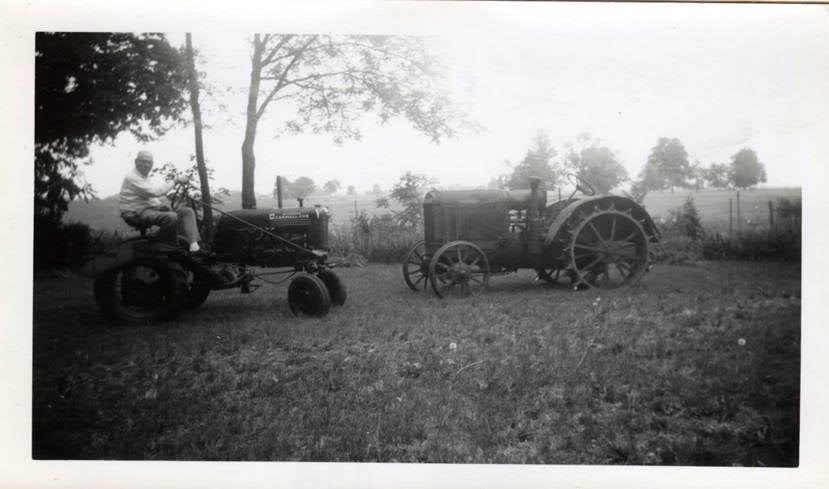
Carl P. Clore, Sr. on tractor, circa 1951
1952: Innovation
Carl Perrin Clore, Jr., “June,” was an innovator in answering the modern life challenges of his time. In the early 1940s, while continuing to farm, June responded to the lack of farming equipment manufacturing during World War II and opened a farm equipment business in Crestwood. Subsequently, he co-founded Clore & Duncan, a successful real estate firm with four locations. In the 1960s and early 1970s, he was the largest real estate developer in Oldham County. June was elected to serve 10 years with the Oldham County Board of Education, following his father’s service to the Board.
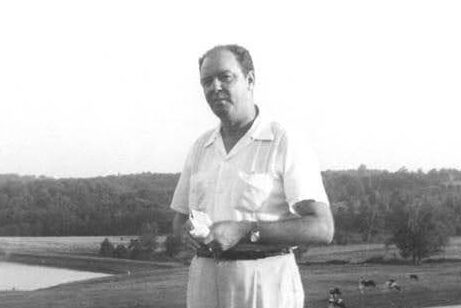
June at his home; the property is now Summerfield
2015: A New Legacy
As Louisville grew eastward, siblings Lee Stanton Clore, Sr. and Carla Jane Clore Jones witnessed the construction of Interstate 71 in 1969 and Highway 329 Bypass in 1989 that changed the trajectory of their agrarian legacy. Both projects split the farm, making it less productive for crops or cattle. Carla and Lee had opportunities to sell the land for commercial and residential development but declined in order to pursue their dream and vision of a community focused on a simpler life.
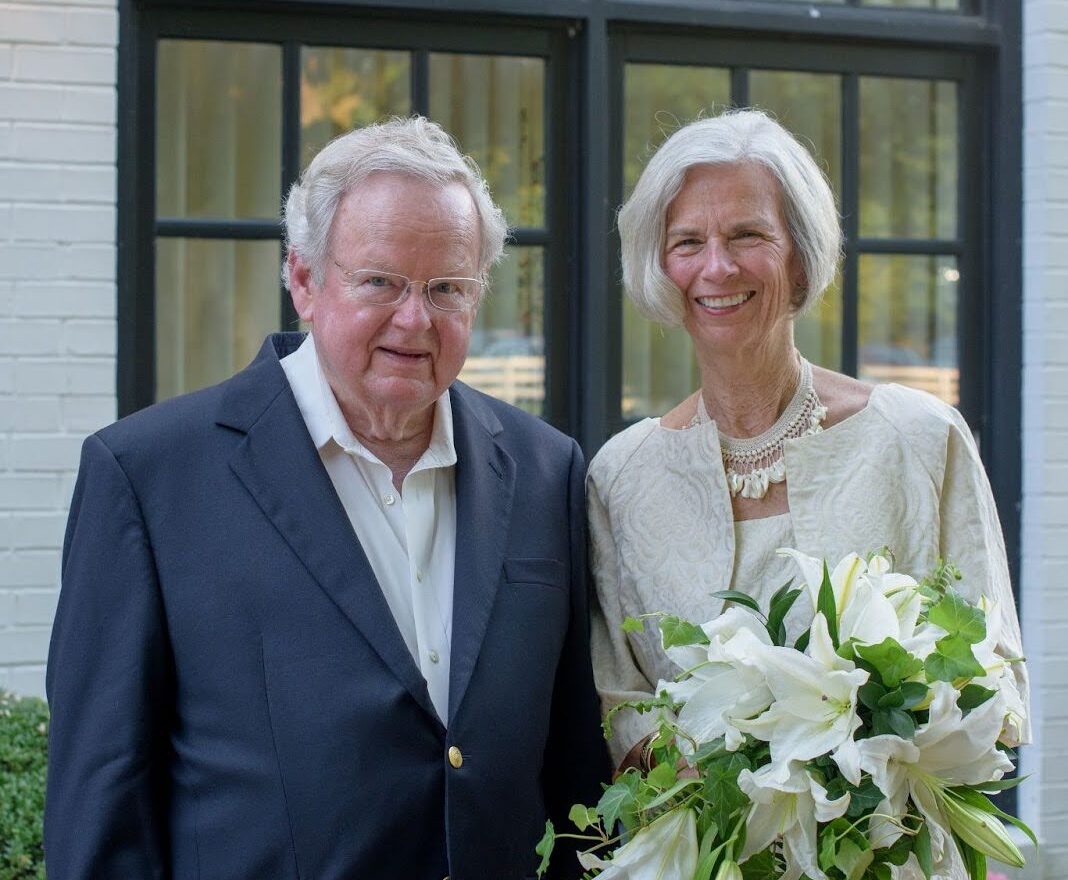
Lee Stanton Clore, Sr. and Carla Jane Clore Jones
2019: The Vision is Born
After receiving his Master of Architecture in Urban Design from Harvard, Carla’s son, Gant Jones, proposed an innovative vision for the Clore land which was fully embraced by Carla and Lee. Carla’s husband Bob also embraced the plan and contributed not only his decades of experience in land development but also as the largest financial supporter.
The Clore family, along with world-renowned New Urbanist planners, DPZ CoDesign, led an intensive week-long collaborative design charrette to create Clore Station’s masterplan. After hours of comprehensive and collaborative discussions, over 100 experts helped form the creation of the design and plan, ending with a presentation to the public.
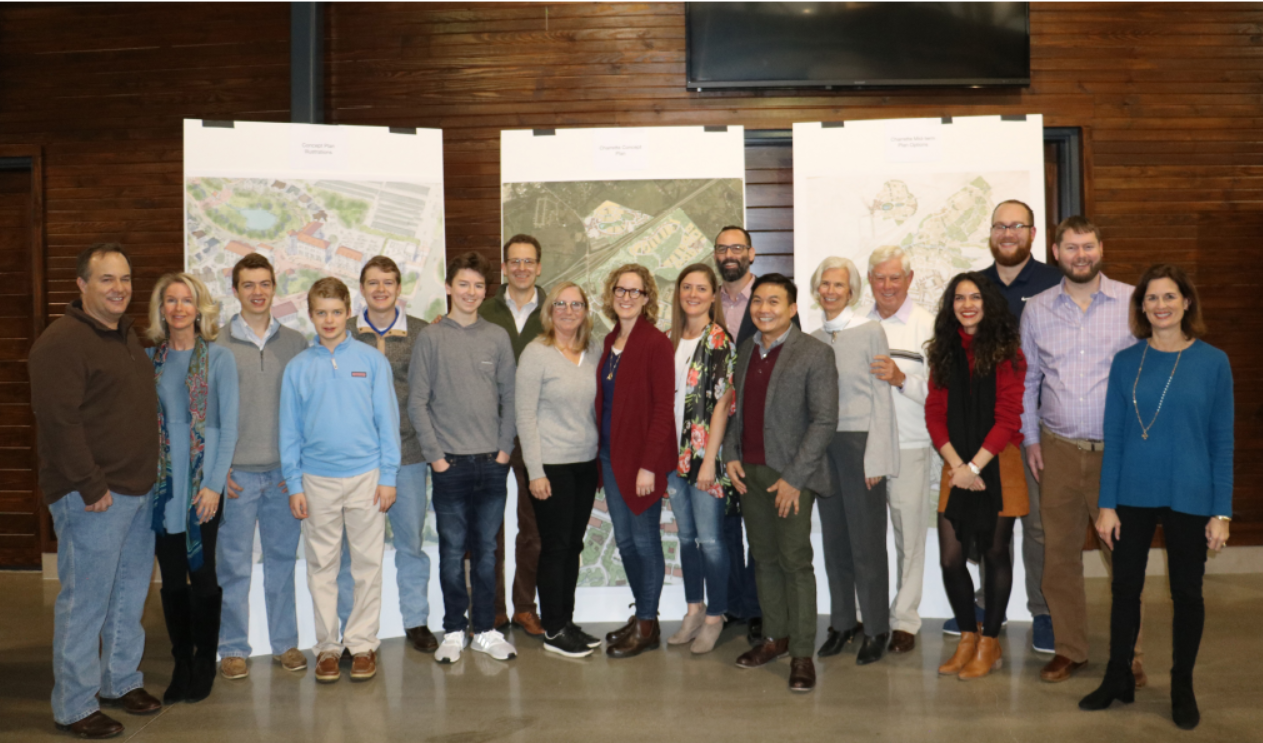
Clore family with DPZ CoDesign planners, January 2019
2025: Groundbreaking
With the completion of county and city approvals and construction documents for Phase 1, the family’s vision became reality. The plans strictly adhere to the Traditional Neighborhood Development Standards that are in place to guide each phase. Additionally, all buildings will follow the Architectural Pattern Book overseen by the Town Architect, ensuring plans meet the vision’s intent.
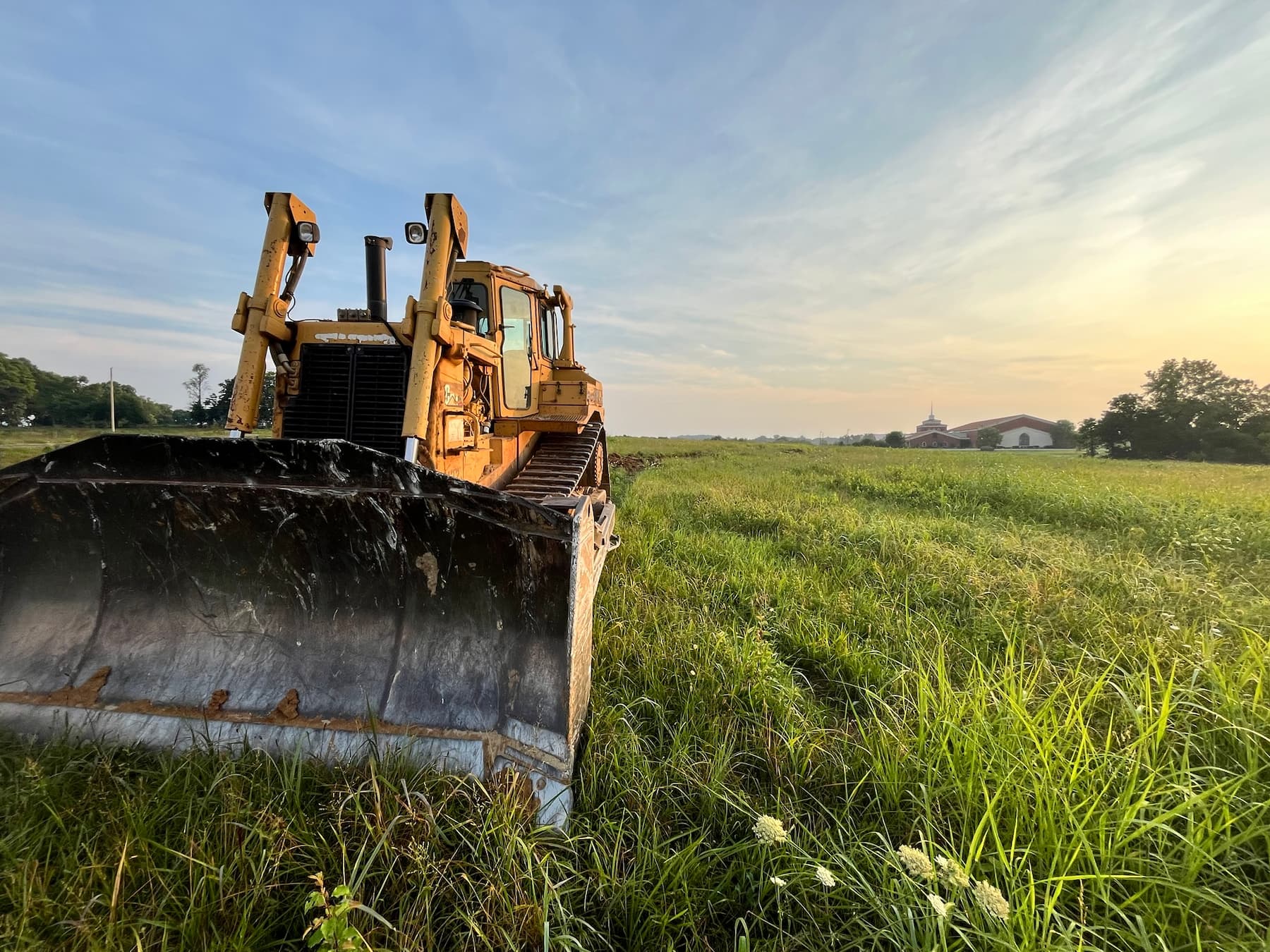
Bulldozer on Day One of groundbreaking
Timeline
1808: The Founding Purchase
In 1808, Elijah Clore, Sr., a pioneer from Virginia, purchased 228 acres in what would become Oldham County. This significant acquisition, just 16 years after Kentucky achieved statehood, marked the beginning of the Clore family’s continuous stewardship of this remarkable land. His father and two brothers also established their presence in the Brownsboro area around this time, solidifying the family’s roots in the region.
1808 land deed to Elijah Clore
1844: Creating a Homestead
Later in life, Elijah Clore, Sr. began selling pieces of his accumulated properties to relatives and family friends. His son, Zachariah Clore, purchased 181 1/2 acres from his father “on the waters of South Harrods Creek.” Zachariah and his family created the historic homestead that still stands in Crestwood. It included a smokehouse, springhouse, and distillery. This homestead became the heart of the Clore family for five generations.
Zachariah Clore, circa 1850
1847: Clore Station
Roughly a mile from Beard (Crestwood’s original name) stood Clore Station, one of the few pioneer stations on the Louisville and Frankfort Railroad line. In 1847, Richard Clore built his home to serve as the merchandising and railway agency at this stop. Annually on Christmas Day, the railroad trains paused long enough for each trainman to enjoy a treat of eggnog prepared by Richard Clore from the purest 10-year-old liquor from his own cellars, each bottle crafted by the celebrated distiller, Zachariah Clore, his first cousin and the Clore family’s direct ancestor. Z. Clore Distillers sold to customers as far away as Lexington.
Clore Station
1879: Historical Map
One of the first detailed maps of Oldham County, the Beers and Lanagan Atlas of 1879 shows the home of R. Clore (Richard), the proprietor of Clore Station. Nearby is his cousin Z. Clore (Zachariah), the direct family ancestor of the Clore family. The map shows the Z. Clore home as well as the distillery on what is now the location of Clore Station.
Crop of Beers and Lanagan Atlas showing R. Clore and Z. Clore ‘Distillery’
1891: Statesmanship
Judge Zachary Anderson Clore moved his family to the home in which he was born and built by his father, Zachariah, a local farmer. Affectionately known as “Judge Clore,” his desire to serve his community led him to a 1910 term as Oldham and Trimble County Representative to the Kentucky State Legislature and a 1921 four-year term as Oldham County Judge. While in the legislature, he was instrumental in ridding the county of the toll gate system.
Judge Zachary Clore and family outside Clore home, circa 1900
1925: Continued Stewardship
As a generational farmer, Carl Perrin Clore, Sr. continued the stewardship of the land he inherited, growing corn, orchard grass, hay and tobacco, and raising cattle and hogs. While managing the farm, he was also a salesman and buyer for the Ross Seed Company in Louisville. Following in his father’s footsteps, he had aspirations to serve his community, leading him to take on three four-year terms with the Oldham County Board of Education.
Carl P. Clore, Sr. on tractor, circa 1951
1952: Innovation
Carl Perrin Clore, Jr., “June,” was an innovator in answering the modern life challenges of his time. In the early 1940s, while continuing to farm, June responded to the lack of farming equipment manufacturing during World War II and opened a farm equipment business in Crestwood. Subsequently, he co-founded Clore & Duncan, a successful real estate firm with four locations. In the 1960s and early 1970s, he was the largest real estate developer in Oldham County. June was elected to serve 10 years with the Oldham County Board of Education, following his father’s service to the Board.
June at his home; the property is now Summerfield
2015: A New Legacy
As Louisville grew eastward, siblings Lee Stanton Clore, Sr. and Carla Jane Clore Jones witnessed the construction of Interstate 71 in 1969 and Highway 329 Bypass in 1989 that changed the trajectory of their agrarian legacy. Both projects split the farm, making it less productive for crops or cattle. Carla and Lee had opportunities to sell the land for commercial and residential development but declined in order to pursue their dream and vision of a community focused on a simpler life.
Lee Stanton Clore, Sr. and Carla Jane Clore Jones
2019: The Vision is Born
After receiving his Master of Architecture in Urban Design from Harvard, Carla’s son, Gant Jones, proposed an innovative vision for the Clore land which was fully embraced by Carla and Lee. Carla’s husband Bob also embraced the plan and contributed not only his decades of experience in land development but also as the largest financial supporter.
The Clore family, along with world-renowned New Urbanist planners, DPZ CoDesign, led an intensive week-long collaborative design charrette to create Clore Station’s masterplan. After hours of comprehensive and collaborative discussions, over 100 experts helped form the creation of the design and plan, ending with a presentation to the public.
Clore family with DPZ CoDesign planners, January 2019
2025: Groundbreaking
With the completion of county and city approvals and construction documents for Phase 1, the family’s vision became reality. The plans strictly adhere to the Traditional Neighborhood Development Standards that are in place to guide each phase. Additionally, all buildings will follow the Architectural Pattern Book overseen by the Town Architect, ensuring plans meet the vision’s intent.
Bulldozer on Day One of groundbreaking